01
Leave a brief.
Say what you need and what good looks like.
Leave a brief tonight. Open finished pages, prototypes and visuals tomorrow. It all runs on your Mac.
Insider access until Oct 28: get Mac M5+ free this week ↗
On an M1 to M4 Mac? Get the free M1+ version ↗
You set the direction. Nightshift does the late hours.
Say what you need and what good looks like.
Local models try different approaches. Nightshift checks each one against your brief.
Preview it, check the evidence and keep the files.
Drawn at random from the Nightshift archive, and they change as you watch. Click any one to open it.
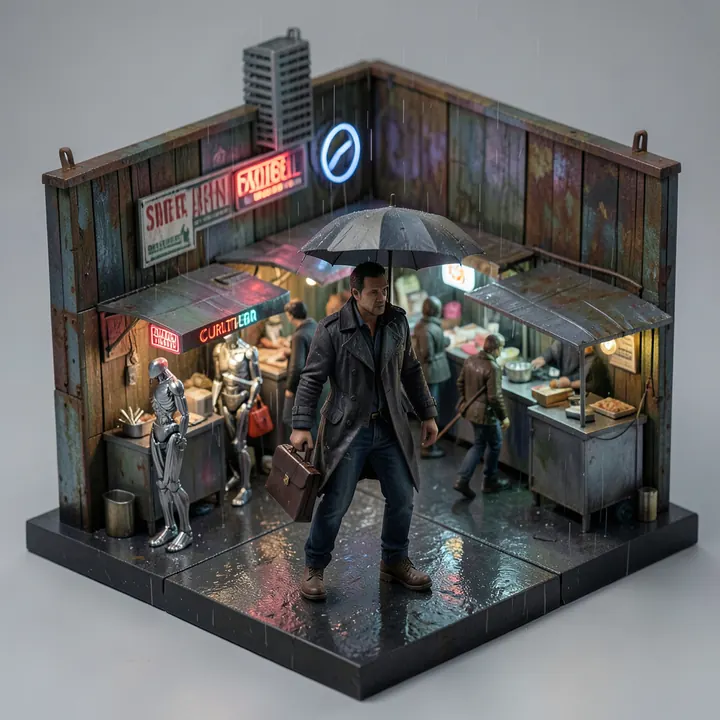
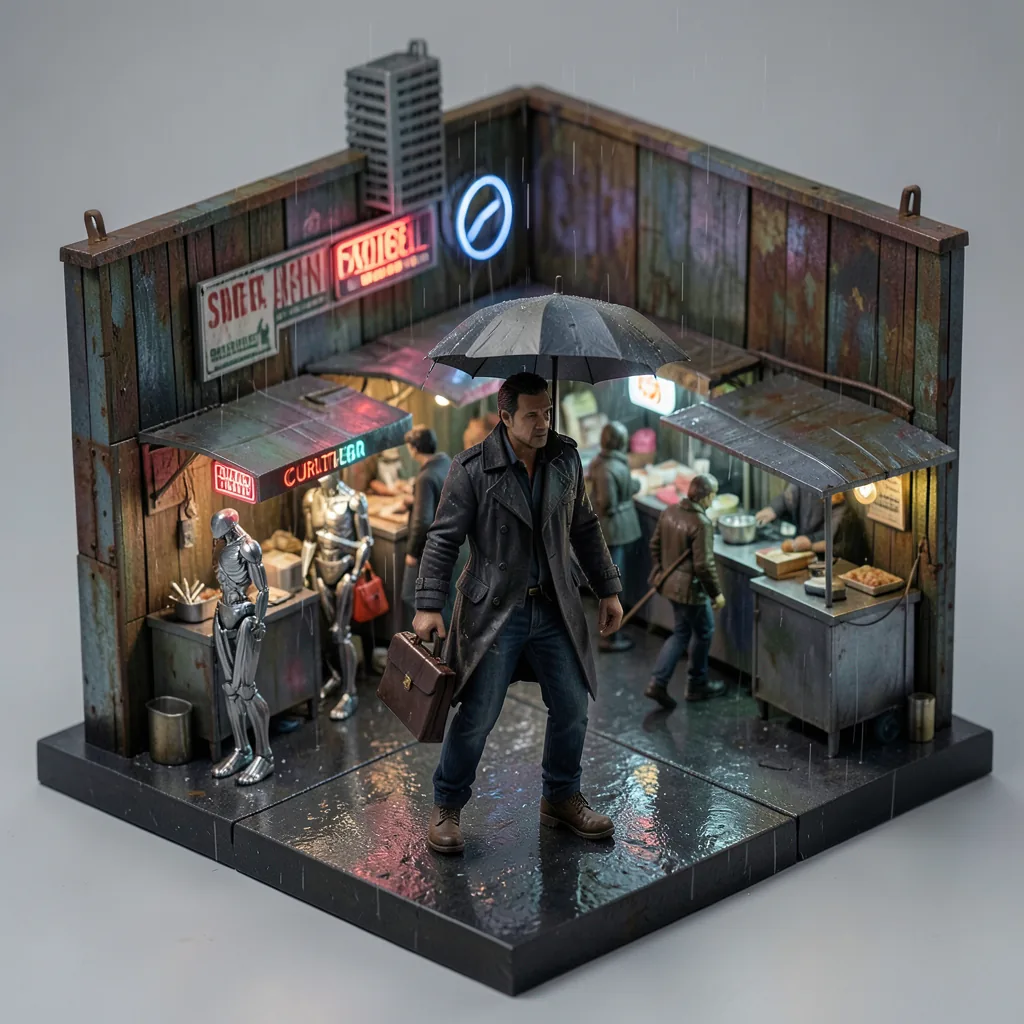 A rainy market, boxed.GENERATED STILL · PNG Opens in a new tabLIVE HTML
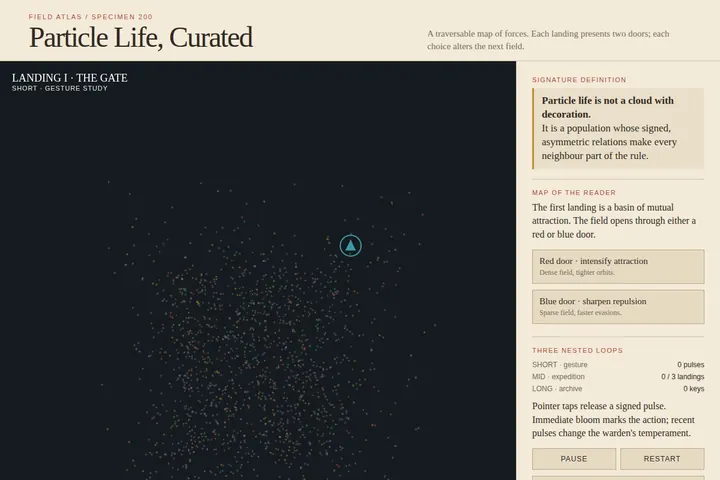 Atlas of particle life.INTERACTIVE · HTML Opens in a new tab
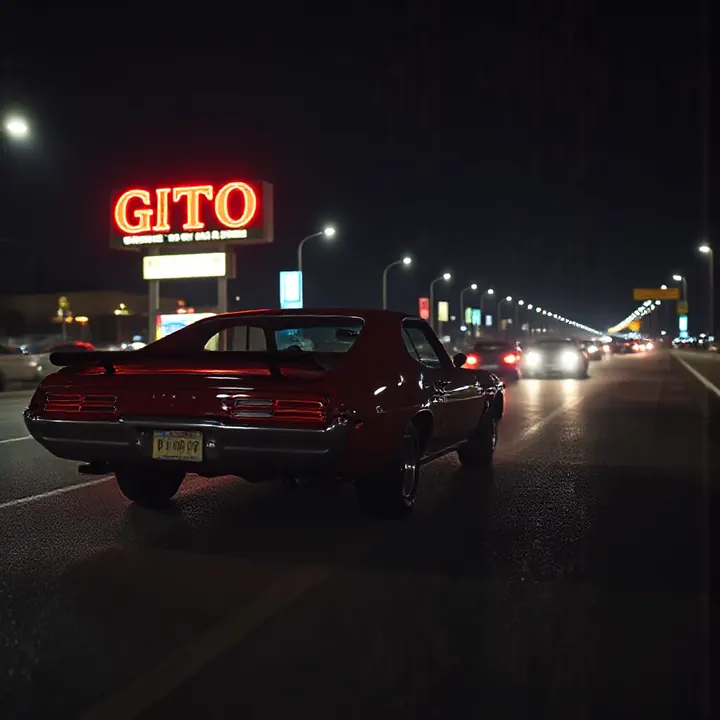
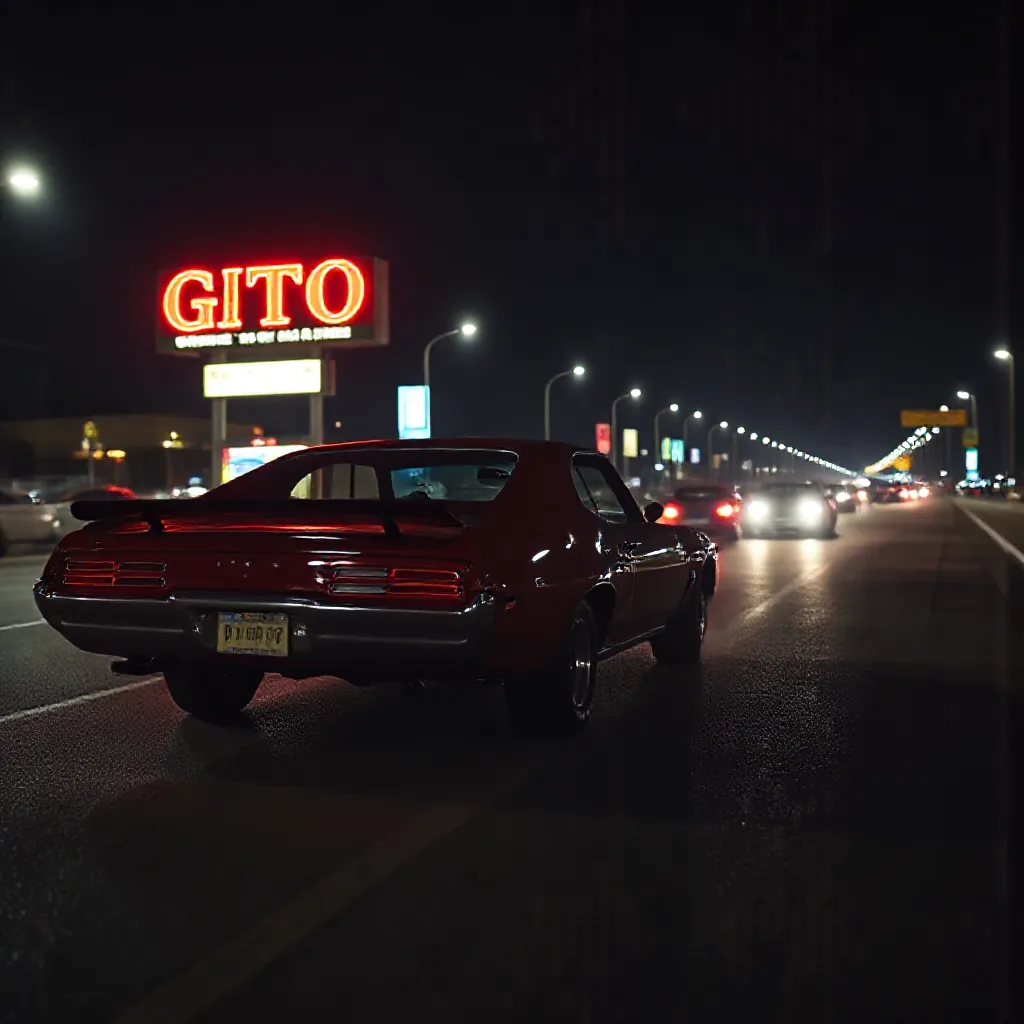 GTO, in neon.GENERATED STILL · PNG Opens in a new tab
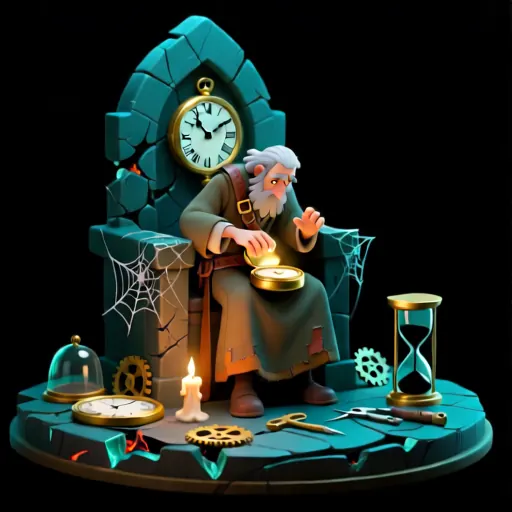
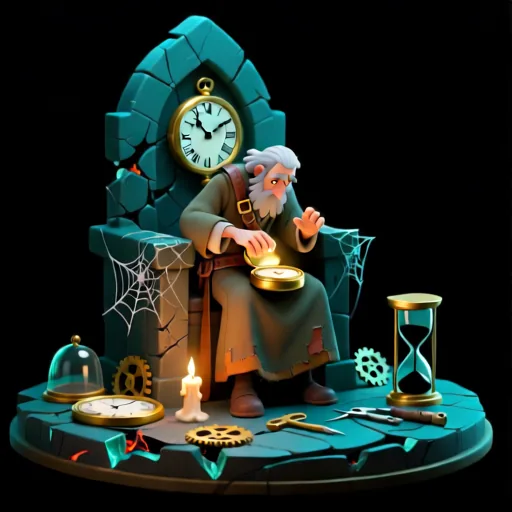 The clockmaker, in teal.GENERATED STILL · PNG Opens in a new tab
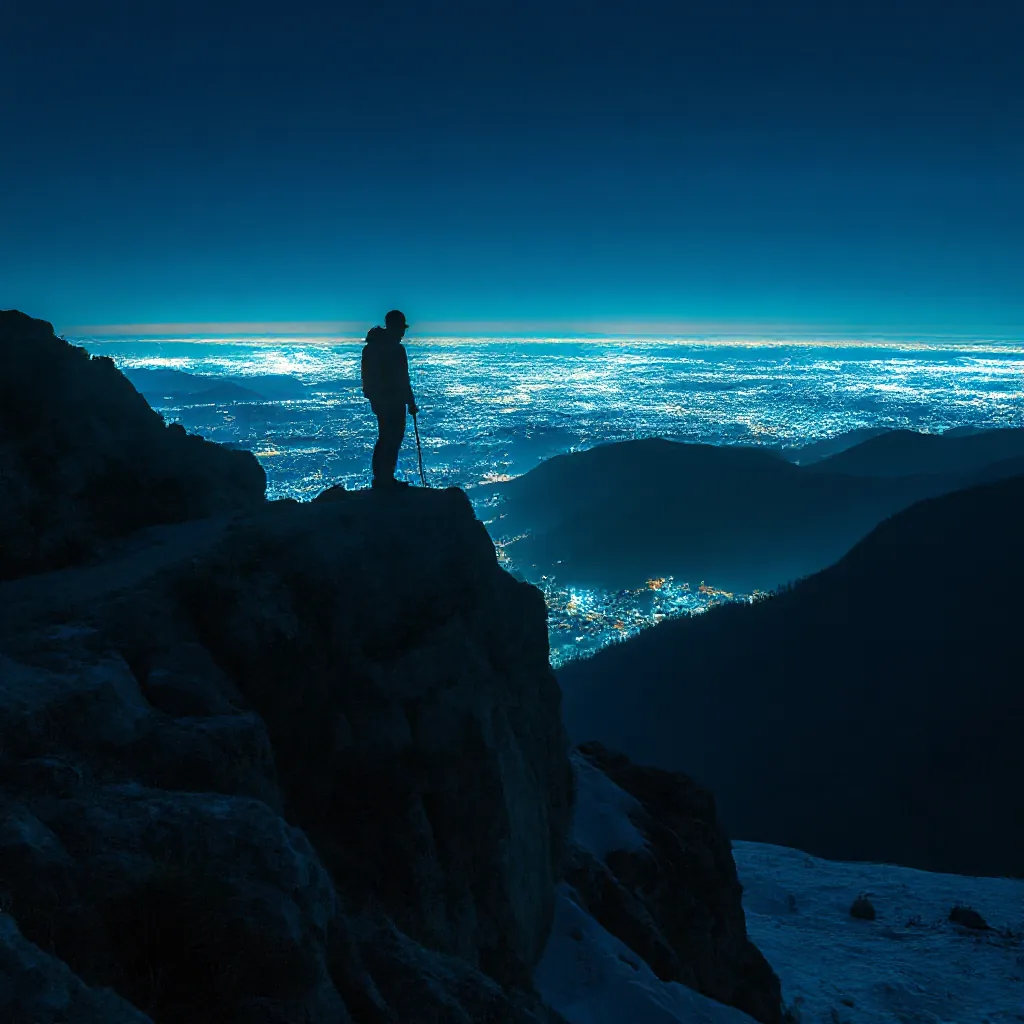 Blue hour on the coast.GENERATED STILL · PNG Opens in a new tab
From separate archive jobs, not the hardware-card run. These examples are not Mac performance measurements.
Most local AI runs one hand-wired model stack. Changing it costs days, so it rarely changes. Nightshift ships with Fleets: ready-made model crews you swap in one click.
Every change means
Pick your Mac and its memory. We project how fast it reads a brief, how fast it writes, how many lanes run at once and how many attempts land by morning, from our measured Spark run.
See the measured baselineProjected from our measured Spark run; your models and workload set the final pace.
Prefill is how fast a lane reads its prompt before it writes. It is limited by GPU compute, so it scales with GPU size from the Spark’s measured 424 to 596 tokens/sec. We show the time to read a 6K-token brief.
Decode is writing speed: your chip’s memory bandwidth × 0.51 (the utilization measured on the Spark: 6.2 to 7.7 tokens/sec on a 19.9 GB 32B model at 273 GB/s) ÷ the lane model’s weight size.
Lanes: we fill the memory left after a macOS reserve (15%, at least 6 GB) with as many copies of the largest model that fits (32B coder, else 30B judge, else 8B worker), up to eight, and apply a concurrency curve.
Attempts per night is the combined writing speed over 5h 15m ÷ 1,410 tokens per attempt, the Spark run’s average. The lavender marks are the Spark’s measured 130. When only a 30B or 8B lane fits, the marks turn lavender too: smaller models write faster but produce lighter drafts, so we do not compare them with the Spark.
Nightshift for Mac requires a Mac with an M5 or later chip, macOS 15 or later and at least 16 GB memory. Earlier Macs (M1 to M4) can run the free M1+ version instead; Intel Macs are not supported.
Every Mac with an M5 or later chip and 16 GB or more. Pick a memory size on any row to see what it holds and how far one night goes.
| Mac · memory | Biggest modelthat fits in memory | ConcurrencyNightshift lanes at once | Tokens / secwriting, per lane | Prefill timereading a prompt | Overnight throughputone 5h 15m night |
|---|---|---|---|---|---|
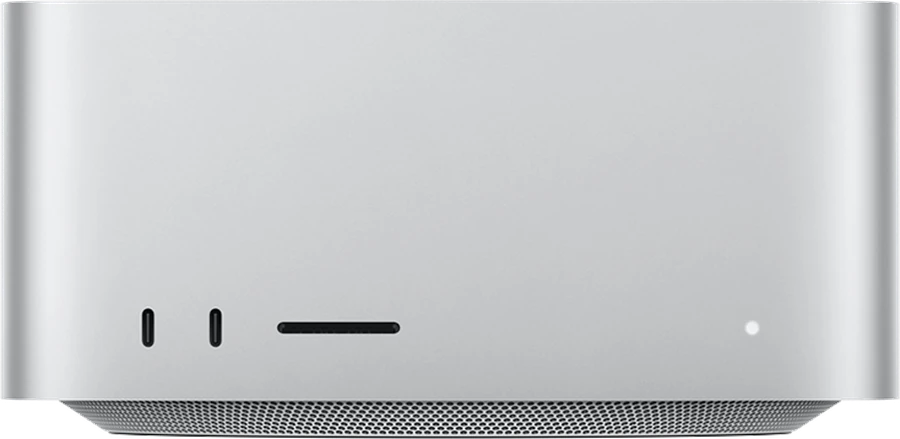 Mac StudioM5 Ultra · up to 80-core GPU1,200 GB/s | 235BMoEe.g. Qwen3-235B-A22B ≈ 45.3 tok/s on its own | 8lanes8× 32B coder | 27.3–33.8tok/sone 32B coder lane · 52.9 combined with all 8 running | 5.8–8.2sto read a 6K-token prompt · 763–1,073 tok/s | ≈ 709attempts1.0M tokens in 5h 15m · 5.5× one Spark |
| Mac StudioM5 Max · 40-core GPU614 GB/s | 120BMoEe.g. gpt-oss-120b ≈ 84.6 tok/s on its own | 4lanes4× 32B coder | 13.9–17.3tok/sone 32B coder lane · 22.8 combined with all 4 running | 11.1–15.5sto read a 6K-token prompt · 403–566 tok/s | ≈ 306attempts431K tokens in 5h 15m · 2.4× one Spark |
| Mac StudioM5 Max · 32-core GPU460 GB/s | 32Bdensee.g. Qwen2.5-Coder-32B ≈ 11.8 tok/s on its own | 1lane1× 32B coder | 10.4–13.0tok/sone 32B coder lane · 11.8 combined | 14.0–19.7sto read a 6K-token prompt · 318–447 tok/s | ≈ 158attempts223K tokens in 5h 15m · 1.2× one Spark |
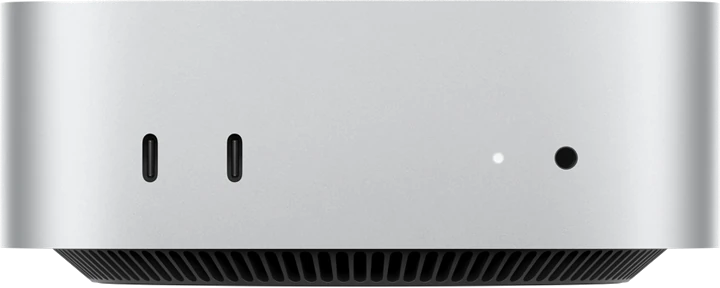 Mac miniM5 Pro · up to 20-core GPU307 GB/s | 70Bdensee.g. Llama 3.3 70B ≈ 3.7 tok/s on its own | 2lanes2× 32B coder | 7.0–8.7tok/sone 32B coder lane · 8.3 combined with all 2 running | 21.0–29.5sto read a 6K-token prompt · 212–298 tok/s | ≈ 111attempts156K tokens in 5h 15m · 0.9× one Spark |
| Mac miniM6 · 12-core GPU170 GB/s | 27Bdensee.g. Gemma 3 27B ≈ 5.1 tok/s on its own | 1lane1× 30B judge | 4.5–5.6tok/sone 30B judge lane · 5.1 combined | 29.9–42.1sto read a 6K-token prompt · 149–209 tok/s | ≈ 68attempts96K tokens in 5h 15m · 30B judge drafts, lighter than 32B |
 MacBook ProM5 Max · 40-core GPU614 GB/s | 120BMoEe.g. gpt-oss-120b ≈ 84.6 tok/s on its own | 4lanes4× 32B coder | 13.9–17.3tok/sone 32B coder lane · 22.8 combined with all 4 running | 11.1–15.5sto read a 6K-token prompt · 403–566 tok/s | ≈ 306attempts431K tokens in 5h 15m · 2.4× one Spark |
| MacBook ProM5 Pro · up to 20-core GPU307 GB/s | 70Bdensee.g. Llama 3.3 70B ≈ 3.7 tok/s on its own | 2lanes2× 32B coder | 7.0–8.7tok/sone 32B coder lane · 8.3 combined with all 2 running | 21.0–29.5sto read a 6K-token prompt · 212–298 tok/s | ≈ 111attempts156K tokens in 5h 15m · 0.9× one Spark |
| MacBook ProM5 · 10-core GPU153 GB/s | 27Bdensee.g. Gemma 3 27B ≈ 4.6 tok/s on its own | 1lane1× 30B judge | 4.1–5.1tok/sone 30B judge lane · 4.6 combined | 35.9–50.5sto read a 6K-token prompt · 124–174 tok/s | ≈ 62attempts87K tokens in 5h 15m · 30B judge drafts, lighter than 32B |
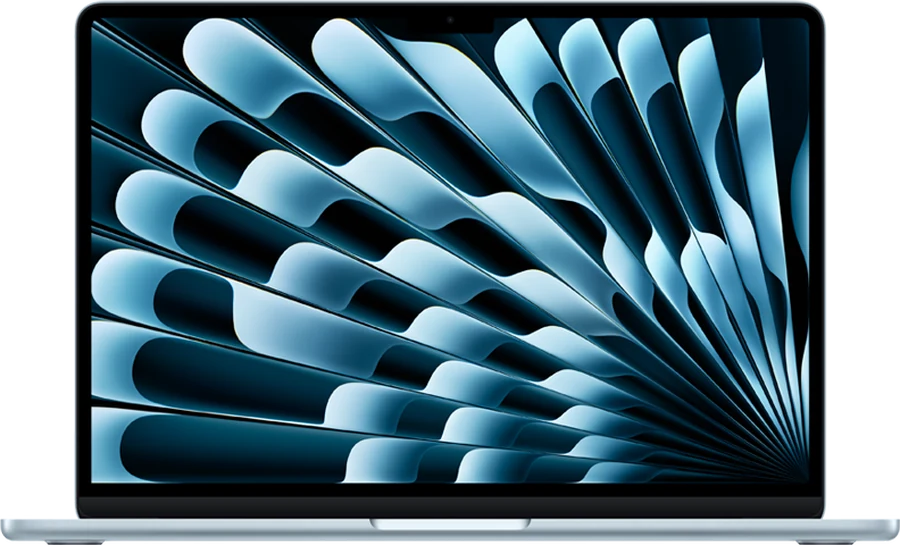 MacBook AirM5 · 10-core GPU · fanless153 GB/s | 27Bdensee.g. Gemma 3 27B ≈ 3.7 tok/s on its own | 1lane1× 30B judge | 3.3–4.0tok/sone 30B judge lane · 3.7 combined | 44.9–63.1sto read a 6K-token prompt · 99.3–140 tok/s | ≈ 49attempts69K tokens in 5h 15m · 30B judge drafts, lighter than 32B |
No row here is measured on a Mac yet. Every number is projected from our measured DGX Spark run, with the same model as the speed estimate above. Your models, context size and other apps will change them.
Tokens / sec: chip memory bandwidth × 0.51 (the utilization measured on the Spark) ÷ the lane model’s weight size. Concurrency: memory left after a macOS reserve (15%, at least 6 GB), filled with copies of the largest lane that fits: 32B coder, else 30B judge, else 8B worker, up to eight.
Prefill is limited by GPU compute, not bandwidth, so it scales with GPU size. Overnight throughput is combined writing speed over 5h 15m ÷ 1,410 tokens per attempt, the Spark run’s average. The lavender tick marks the measured Spark’s 130 attempts. When only an 8B or 30B lane fits, the bar turns lavender: small models write faster but produce lighter drafts, so those rows are not compared with the Spark.
Biggest model is the largest open model class whose Q4 weights and a 32K context fit in the same usable memory. Mixture-of-experts (MoE) models read only their active experts for each token, so a 120B MoE can write faster than a 70B dense model.
MacBook Air has no fan, so we take 20% off for a five-hour sustained run. Keep laptops plugged in overnight. Nightshift for Mac needs macOS 15 or later.
Preorder. Full price charged today.
Insider access until Oct 28: get Mac M5+ free this week ↗
On an M1 to M4 Mac? Get the free M1+ version ↗
Yes. Open the free web edition and explore the workflow in your browser. The native Mac download ships separately. On an M1 to M4 Mac, you can also download the free M1+ version.
You need a Mac with an M5 or later chip, macOS 15 or later and at least 16 GB memory. Any M5-or-later MacBook Air, MacBook Pro, iMac, Mac mini, Mac Studio or Mac Pro with 16 GB or more qualifies. 32 GB or more is better for larger local models. On an M1 to M4 Mac, download the free M1+ version instead. Intel Macs are not supported. The preorder dialog shows the current requirements.
No. The completed-work numbers come from a DGX Spark. The Mac estimator projects that run onto your chip’s memory bandwidth and the lanes your memory can hold.
Yes. Choose local-only and use local models. Cloud providers are optional. The measured Spark run used no cloud calls. Electricity and hardware costs still apply.